Thinking about trading your Center City walk-up for more space, a yard, and easier parking in King of Prussia? You are not alone. Many Philadelphia buyers look northwest for extra square footage and quick access to shopping and parks. In this guide, you will compare what your budget buys, understand commute realities, and preview the lifestyle tradeoffs so you can move with confidence. Let’s dive in.
King of Prussia at a glance
King of Prussia sits in Upper Merion Township about 15 to 20 miles from Center City. It functions as a major suburban job and retail hub with regional draw. The area’s anchor is the King of Prussia Mall, one of the largest in the country at roughly 2.79 million square feet, which puts everyday retail and specialty shopping close by. You are also just minutes from Valley Forge National Historical Park, a protected green space of about 3,452 acres with miles of trails and sweeping open space.
- Explore the mall’s scale and tenant mix: King of Prussia Mall overview
- Learn more about Valley Forge Park acreage and trails: NPS press materials
What your Center City budget buys in KOP
Center City snapshot
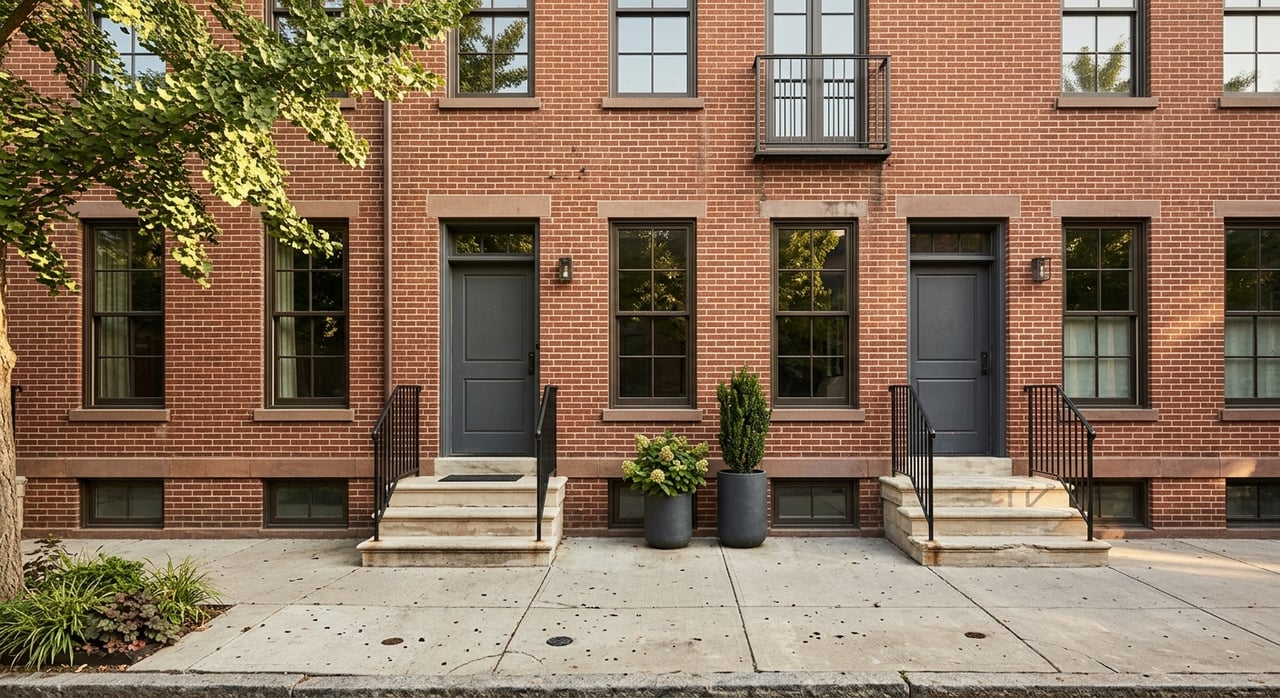
Center City’s housing stock leans urban and vertical. You typically see high-rise and mid-rise condos, historic rowhouses, lofts, and converted buildings in walkable neighborhoods like Rittenhouse, Washington Square West, and Old City. The median sale price hovered around $525,000 as of February 2026 based on recent market snapshots, but price per square foot is often higher than in the suburbs. Many condos and rowhomes offer limited private outdoor space, so you should weigh lifestyle needs against unit size and amenities. For a helpful overview of Center City’s housing mix, review the Center City District’s latest housing report.
- Housing types and urban living patterns: Center City District 2024 Housing Report
KOP housing mix and price bands
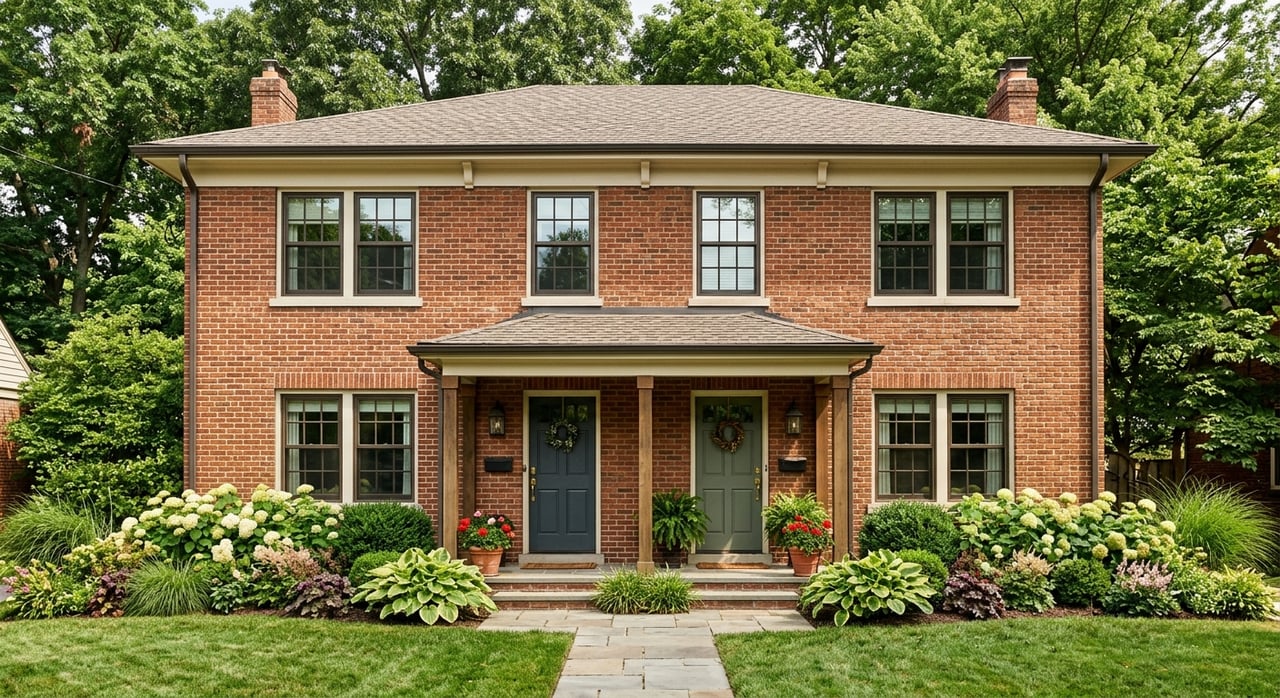
In King of Prussia and Upper Merion Township, you will find a broad mix: older detached homes, newer subdivisions, townhouses, condominium communities, and a wave of modern apartments in mixed-use districts like the Village at Valley Forge and Moore Park. Recent market snapshots place median and list prices in roughly the $480,000 to $600,000 range, depending on the source and exact date. Some single-family and larger townhomes will price above a typical Center City condo, while older homes and attached units can land below or near Center City medians. The key is to compare by type and size to see true value, not just headline medians.
- Development context and mixed-use growth: King of Prussia District development history
How to compare apples to apples
Match condo to condo, townhouse to rowhouse, and detached to detached when you benchmark value. Look closely at square footage, parking, storage, outdoor space, and HOA or condo fees because these affect your monthly cost. In KOP, many buyers prioritize more interior space and off-street parking, while Center City buyers often pay a premium for walkability and building amenities. A side-by-side spreadsheet with price per square foot and net monthly cost can make the choice clear.
Getting back to Center City
Driving reality
KOP to Center City is roughly 16 to 20 driving miles. Off-peak, you may see 25 to 35 minutes door to door. During weekday rush, I‑76 and DeKalb Pike often stretch travel to 45 to 60 minutes or more. Use a live routing app and test your exact origin and destination at the times you plan to commute so you understand both average and worst-case days. A route planning tool can help you preview options.
- See typical route options: King of Prussia to Center City overview
SEPTA bus options
King of Prussia has multiple SEPTA Suburban Division routes that serve the King of Prussia Transit Center at the mall. Routes 124 and 125 typically connect to Center City corridors around 30th Street and Market Street, with other routes linking to nearby rail and regional destinations. Depending on time of day and route, bus trips can run about 45 to 75 minutes. If transit is important, ride your potential commute in both directions at your usual hours to get a real feel for timing and transfers.
- Routes and transit center details: SEPTA King of Prussia destination page
- Sample travel times by bus: KOP to Philadelphia route planner
Rail and KOP Rail status
There is no direct one-seat regional rail option in KOP today. Nearby stations on the Norristown High Speed Line or Regional Rail typically require a bus or shuttle transfer. A proposed extension, often called KOP Rail, would bring a one-seat ride into the area, but it remains in planning and funding phases with no guaranteed timeline. Treat this as a potential long-term improvement, not an immediate solution.
- Planning status and DEIS coverage: KOP Rail update
Lifestyle tradeoffs to consider
Shopping and everyday errands
If you value convenience, KOP stands out. The King of Prussia Mall is one of the nation’s largest retail destinations, and the surrounding area includes the King of Prussia Town Center and large-format grocers like Wegmans. Most errands are a short drive with abundant parking. For many buyers, this everyday efficiency is a primary reason to move.
- Mall overview for scale and context: King of Prussia Mall
Dining and culture
KOP’s restaurant options have grown around the mall and Town Center, mixing national names with a range of casual and family-friendly spots. Center City still leads for late-night energy, independent restaurants, and cultural density. If nightlife and walkable arts venues matter most, weigh that against KOP’s suburban ease. The right choice depends on how you spend evenings and weekends.
- Local development and dining growth: KOP District development history
Parks and trails
This is a major KOP advantage. Valley Forge National Historical Park sits next door with about 3,452 acres and roughly 35 miles of trails for biking, running, and history-focused outings. The Schuylkill River Trail and regional path network are also accessible from the area. If weekend outdoor time tops your list, KOP delivers.
- Park facts and trail overview: Valley Forge NHP
Schools and services
King of Prussia is served by the Upper Merion Area School District. The township has invested in new facilities as part of broader development. If schools are a deciding factor, review boundary maps and any available performance data for specific schools and programs you are considering. Make your choice based on your needs and independent research.
- Local context on growth and investment: KOP District development history
Cost considerations beyond list price
Do not assume suburban taxes are always lower. Property tax bills reflect assessed value and local millage across township, county, and school levies. Ask for a sample tax bill on any property you are considering and compare it to your current Philadelphia bill. For a broad civic snapshot and commuting context, review Upper Merion’s QuickFacts.
- QuickFacts for Upper Merion Township: U.S. Census QuickFacts
Commuting costs can add up. If you drive, include fuel, parking, and any tolls. If you take the bus, review SEPTA passes and transfer costs. Service levels can change, so monitor current timetables and notices.
- Service updates and planning notices: SEPTA service changes
Your step-by-step move checklist
Define your commute tolerance. Decide the maximum minutes you can accept door to door. Test your exact route during AM and PM peaks by car and by bus if relevant. Note both average and worst-case times.
Compare price per square foot. Pull recent comparables for the unit type you want in Center City and KOP, and calculate net monthly cost including taxes, insurance, and HOA or condo fees. Ask your agent to help you build a clean side-by-side.
Add commuting costs to your budget. Estimate fuel, tolls, parking, or monthly transit passes. Add a small buffer for variability so surprises do not derail your plan.
Map your lifestyle. Build a simple pros and cons list across nightlife and culture, shopping and grocers, yard and interior space, outdoor access, medical facilities, and childcare or schools. Visit KOP on a weekday evening and a weekend afternoon to see the rhythm.
Model taxes and total ownership cost. Request an example tax bill for a target KOP property and compare it to your current Philadelphia bill. Base decisions on real numbers, not assumptions.
Check resale and supply trends. Review days on market and recent sales for the micro-neighborhood you are targeting. KOP has added new multifamily supply, which can shape future pricing and competition.
If transit matters, verify service. Confirm current SEPTA schedules and any service adjustments. Treat KOP Rail as a long-term possibility rather than a near-term guarantee.
Do a 48 to 72 hour trial. Spend a weekend and one weekday living like a resident. Do your commute once each direction, shop locally, and try scheduling an appointment to gauge convenience.
- For general route planning ideas: KOP to Center City options
How we help you compare options
Moving from Center City to KOP is not just a price decision. It is about time, comfort, and daily rhythm. You deserve clear, grounded advice and a process that reduces stress. That is where a patient, hands-on approach makes a difference.
With buyer representation rooted in neighborhood expertise, we help you:
- Clarify your must-haves and commute tolerance, then pressure-test routes in real time.
- Compare apples to apples across condos, townhomes, and single-family homes, including price per square foot and total monthly cost.
- Surface opportunities beyond the open market, including Compass Private Exclusives when available.
- Model ownership costs, connect you with trusted local resources, and negotiate with confidence when you are ready.
When you are ready to explore King of Prussia, reach out to Tyé Grays for a calm, data-informed plan that puts your goals first.
FAQs
Is King of Prussia more affordable than Center City in 2026?
- Recent snapshots suggest KOP medians often fall in the roughly $480,000 to $600,000 band, while Center City’s median sale price was about $525,000 in February 2026. Compare by property type to see true value.
How long is the KOP to Center City commute by car?
- Off-peak can be 25 to 35 minutes, while peak hours often stretch to 45 to 60 minutes or more. Test your specific route and timing before you decide.
Does King of Prussia have direct transit to Center City?
- SEPTA bus routes, including 124 and 125, connect to Center City, typically in 45 to 75 minutes depending on time and traffic. There is no direct one-seat regional rail ride today.
What lifestyle changes should I expect when moving from Center City to KOP?
- Expect easier parking, bigger homes, and quick access to large parks and shopping. You will trade some late-night dining and walkable cultural density for suburban convenience.
Will the proposed KOP Rail be operating soon?
- The KOP Rail project remains in planning and funding phases without a confirmed timeline. Consider it a potential long-term improvement rather than an immediate commuting option.