If your Rittenhouse Square condo has been sitting in your mind as “ready enough,” here’s the truth: in a neighborhood where buyers expect both style and substance, average marketing can cost you time and leverage. Selling here is different from selling in the broader Philadelphia condo market, and you need a strategy that reflects that. In this guide, you’ll learn how to market your Rittenhouse Square condo with sharper pricing, stronger presentation, and a launch plan built for this specific neighborhood. Let’s dive in.
Why Rittenhouse marketing needs a local strategy
Rittenhouse Square is one of Center City’s most recognized condo markets, shaped by walkability, dining, shopping, and a polished urban lifestyle. It is not a market where generic “great location” language does much heavy lifting. Your marketing needs to connect your home to the way buyers actually live in and experience the neighborhood.
The numbers also show why a neighborhood-specific approach matters. Redfin currently shows 128 condos for sale in Rittenhouse at a median listing price of $560K, with most homes spending about 100 days on market. Philadelphia overall shows 672 condos for sale at a median listing price of $365K and about 62 days on market, which means citywide averages can easily lead you in the wrong direction.
Price against Rittenhouse comps, not city averages
If you price your condo using broader Philadelphia data, you risk missing the mark from day one. Rittenhouse inventory, buyer expectations, and building types are different enough that neighborhood comps should guide your launch price. That is especially important in a market where homes may take longer to sell.
A smart pricing strategy also helps your marketing. When your price matches the building, condition, layout, and amenity package, buyers are more likely to engage seriously instead of treating your listing as aspirational. That early traction matters in a condo market where comparison shopping is easy.
Sell the lifestyle, not just the square footage
Rittenhouse Square has a Walk Score of 99, and the neighborhood is widely known for being highly pedestrian-friendly with easy access to Center City destinations and SEPTA’s Broad Street Line. For many buyers, that convenience is part of the value they are buying. Your marketing should reflect that from the first photo through the final showing.
That means your listing should do more than describe finishes and room count. It should show how your condo fits into a walkable, connected daily routine. In Rittenhouse, lifestyle is not a bonus feature. It is part of the product.
Highlight what daily living feels like
Focus on details that help a buyer picture day-to-day life. Think natural light in the morning, a terrace view at the end of the day, a doorman building that simplifies arrivals, or a floor plan that works well for entertaining. These points feel more concrete and persuasive than generic luxury wording.
If your building offers services or amenities, be precise. Claims about amenities should match the association documents and resale materials. Clear, documented details build trust and reduce confusion once offers start coming in.
Stage for scale, light, and flow
Condo marketing rises or falls on presentation, especially when square footage is modest. According to NAR’s 2025 Profile of Home Staging, buyers’ agents said photos, physical staging, videos, and virtual tours all matter to clients, and 83% said staging makes it easier for buyers to visualize a property as a future home. That is a big reason staging is often worth considering before you go live.
For smaller-footprint Rittenhouse condos, the goal is not to fill the space. The goal is to make the home feel open, calm, and easy to understand. Buyers need to sense scale, movement, and function as soon as they enter the listing online.
Prioritize the rooms buyers notice most
NAR reports that the living room matters most in staging, followed by the primary bedroom and kitchen. If you are deciding where to focus your time and budget, start there. Those are the spaces most likely to shape a buyer’s first impression.
Use furniture that fits the room rather than oversized pieces that make the layout feel tight. Remove visual clutter, clear countertops, and simplify decor so light and architecture can stand out. In a Rittenhouse condo, restraint usually reads better than overstyling.
Consider professional staging support
Sellers’ agents reported a median spend of $1,500 when using a professional staging service, and 17% said staging increased the dollar value offered by 1% to 5%. That does not mean staging guarantees a higher price, but it does show why many sellers treat it as part of a serious launch plan. In a visually competitive condo market, presentation can influence both attention and perceived value.
For sellers who want a more polished debut, this is where a hands-on, full-service approach can help. Tyé Grays offers staging support and Compass Concierge-backed options that can help prepare a home for market with a more intentional presentation.
Invest in listing media that helps buyers decide
Most buyers will meet your condo online before they ever schedule a showing. NAR’s 2025 generational trends report found that among buyers who used the internet, 83% found photos very useful, 57% found floor plans very useful, 41% valued virtual tours, and 29% valued videos. In practical terms, your media package should help buyers understand both the look and the layout.
That matters even more in condo sales because buyers often compare several units in the same price range, and sometimes in the same building. If your listing media leaves questions unanswered, buyers may simply move on.
Use the right media mix
For a Rittenhouse condo, your strongest listing package often includes:
- Bright, high-quality photography
- A 2D floor plan that explains room flow
- A virtual tour or walk-through
- Video when the views, amenities, or layout benefit from motion
Photos draw buyers in, but floor plans often help them stay engaged. In a smaller home, that added clarity can make the space feel more usable and less ambiguous.
Show the building and setting accurately
If your condo’s appeal includes a terrace, skyline view, historic architectural detail, or full-service building amenities, your media should capture those assets clearly. Buyers are not just purchasing the interior walls of your unit. They are also evaluating the building experience and how the property fits into the surrounding neighborhood.
At the same time, avoid overselling. Strong marketing should be polished, but it should also be accurate. A cleaner, more factual presentation tends to create better buyer confidence.
Match the marketing to the building type
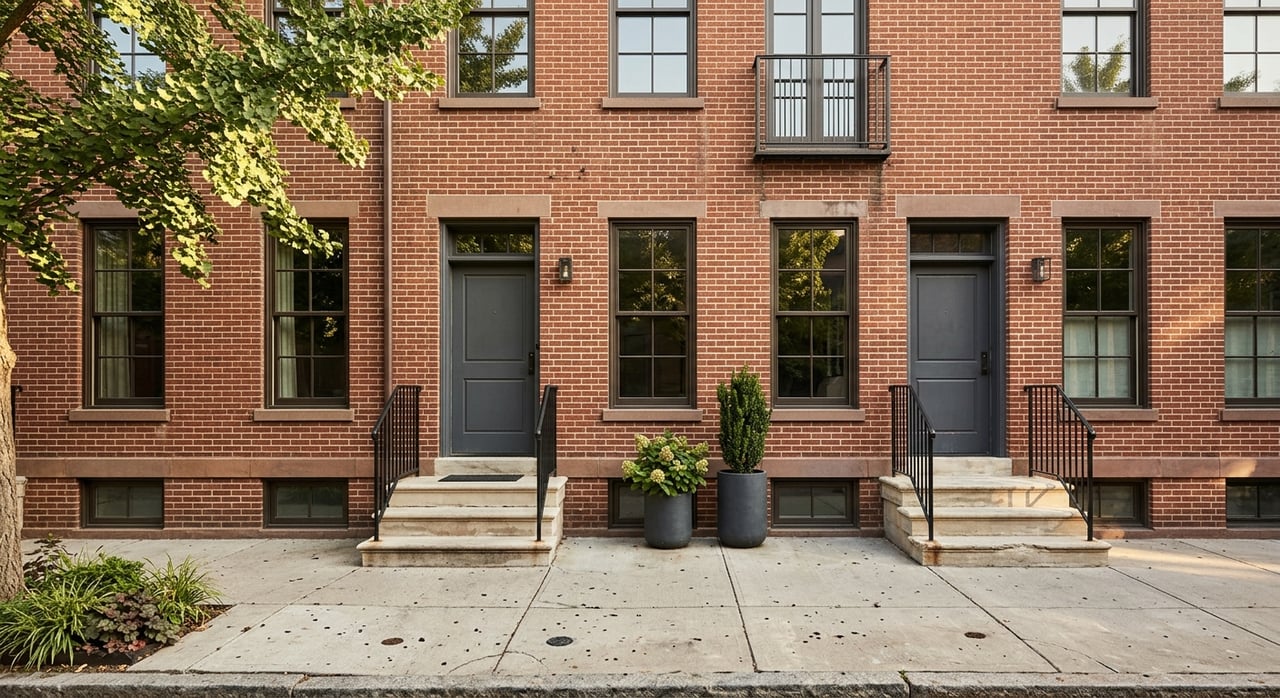
Rittenhouse inventory spans historic buildings, boutique condominiums, and newer towers, and each category attracts attention for different reasons. The Philadelphia Historical Commission lists the Rittenhouse-Fitler historic district on the Philadelphia Register of Historic Places, underscoring the area’s architectural significance. That means your condo should be marketed in a way that fits its actual building story.
A residence in a 1913 Beaux Arts building should not be marketed the same way as a unit in a newer tower with hotel-style amenities. The strongest campaigns lean into the right identity instead of relying on generic condo language.
Historic condos need detail and context
If your condo is in a historic building, your marketing should emphasize the qualities buyers may not find in newer product. That may include architectural character, proportion, original detailing, or the rarity of the building itself. Buyers drawn to historic properties often respond to authenticity and craftsmanship.
In these cases, your presentation should also be extra clear about what belongs to the unit and what belongs to the building. Precision helps avoid confusion later in the process.
Newer towers need amenity clarity
In newer buildings, amenities may play a larger role in a buyer’s decision. Inventory examples in Rittenhouse show everything from doorman service and terrace-oriented living to extensive shared amenities in new towers. If those features are part of your condo’s appeal, they should be described carefully and supported by current association information.
This is one reason it helps to gather the resale packet early. It allows your marketing to be both compelling and accurate before buyers begin asking detailed questions.
Prepare condo documents before you launch
One of the most overlooked parts of condo marketing is readiness. In Pennsylvania, the Uniform Condominium Act requires the seller to provide the buyer with the declaration, bylaws, association rules, and a resale certificate before sale. That resale certificate includes key details such as monthly common expenses, unpaid assessments, other fees, proposed capital expenditures, reserves, financial statements, the operating budget, lawsuits, insurance coverage, known violations, and lease terms.
This is not just paperwork for later. It affects your marketing and negotiation strategy from the beginning. If buyers ask about fees, reserves, restrictions, or planned building work, you want real answers ready.
Why early document prep protects your sale
Under Pennsylvania law, the purchase contract is voidable by the buyer until the resale certificate has been delivered and for five days thereafter or until conveyance, whichever occurs first. In simple terms, delays around condo documents can create avoidable risk after you have already accepted an offer. That is why many well-prepared sellers assemble this material before the home goes live.
Early prep also helps your agent position the property correctly. If your building has strong reserves, well-documented amenities, or clear policies, those points can support buyer confidence. If there are details that need explanation, it is better to address them upfront than under pressure.
Build your disclosure package early
Pennsylvania’s Real Estate Seller Disclosure Law requires known material defects to be disclosed before the agreement of transfer is signed. For condo sales, that disclosure applies to your own unit, while common elements are handled separately through the condo resale rules. The practical takeaway is simple: gather your records before launch.
That can include repair history, past inspection reports, appliance or system warranties, and any relevant association materials. When your file is organized, your transaction is less likely to stall when a serious buyer appears.
Marketing works better when logistics are ready
A beautiful listing can generate attention, but attention alone does not close a sale. The strongest launches pair polished marketing with clean execution behind the scenes. That combination helps you maintain momentum from first showing to signed agreement.
If you know your condo has had updates, repairs, or recurring maintenance items, organize those details now. Buyers tend to respond better when information is clear, timely, and easy to verify.
Price with your net in mind
Marketing is not only about exposure. It is also about outcome. In Philadelphia, the realty transfer tax is now 4.578% total, made up of the city’s 3.578% tax and the Commonwealth’s 1% state tax, effective July 1, 2025. That cost should be part of your launch planning from the start.
A strong pricing conversation looks at more than what you hope to list for. It also looks at what you want to net after taxes and other selling costs. That is especially important in a market where time on market can be longer and overpricing can reduce early interest.
Launch strategy matters more than later reductions
In many condo markets, the first days on market are your best chance to create urgency. If you start too high and need multiple price adjustments, buyers may assume something is wrong or wait to see if the price drops again. A better strategy is often to launch with discipline, clear positioning, and a complete marketing package.
That includes pricing, staging, media, and document readiness all working together. In a neighborhood like Rittenhouse, buyers notice when a listing feels thoughtful and complete.
What a strong Rittenhouse marketing plan includes
If you want your condo to stand out, your launch should feel tailored to the unit, the building, and the neighborhood. A clear plan often includes:
- Pricing based on recent Rittenhouse condo comps
- Staging that makes the home feel open and functional
- Professional photos and a floor plan
- Virtual tour or video where helpful
- Accurate building and amenity messaging
- Early collection of resale and disclosure documents
- A net-focused pricing conversation that accounts for transfer tax
This kind of preparation does more than improve presentation. It helps reduce friction, answer buyer questions faster, and support smoother negotiations.
If you are thinking about selling your condo in Rittenhouse Square, the right strategy is rarely generic. It should reflect your unit’s layout, your building’s identity, and the pace of this specific market. If you want a hands-on plan for pricing, presentation, and launch, Tyé Grays can help you market your condo with the kind of local focus and full-service guidance that buyers notice.
FAQs
How should you price a condo in Rittenhouse Square?
- You should price against recent Rittenhouse condo comps rather than broader Philadelphia averages, because the neighborhood has a different median listing price, inventory mix, and typical days on market.
What marketing materials matter most for a Rittenhouse condo sale?
- High-quality photos matter most, and floor plans, virtual tours, and video can also help buyers understand the layout, scale, and lifestyle benefits of the property.
Why is staging important for a smaller condo in Rittenhouse Square?
- Staging helps buyers visualize the home more easily and can make a compact condo feel brighter, more open, and more functional, especially in the living room, primary bedroom, and kitchen.
What condo documents do you need before selling in Pennsylvania?
- You need the declaration, bylaws, association rules, and a resale certificate with details such as fees, assessments, reserves, budget, insurance, and other building-related information.
What should you disclose when selling a condo in Philadelphia?
- Pennsylvania law requires you to disclose known material defects in your unit before the agreement of transfer is signed, while common-element information is handled through the condo resale documentation.
How does Philadelphia transfer tax affect your condo sale strategy?
- Philadelphia’s total realty transfer tax of 4.578% affects your projected net proceeds, so it should be considered when setting your list price and overall launch strategy.