If you are trying to decide between renting and buying in University City, the answer is rarely as simple as comparing one rent number to one home price. This neighborhood has a wide mix of apartments, rowhouses, townhomes, and condos, plus a large student and professional population that changes how people think about housing. In this guide, you’ll see how local costs, timing, and lifestyle fit can shape the better choice for you. Let’s dive in.
Why University City Feels Different
University City is not a one-size-fits-all housing market. According to University City District, the area spans 2.4 square miles and includes more than 55,000 residents, over 50,000 students, and nearly 80,000 jobs. That kind of density creates a market where renting and buying can both make sense, depending on your stage of life and how long you plan to stay.
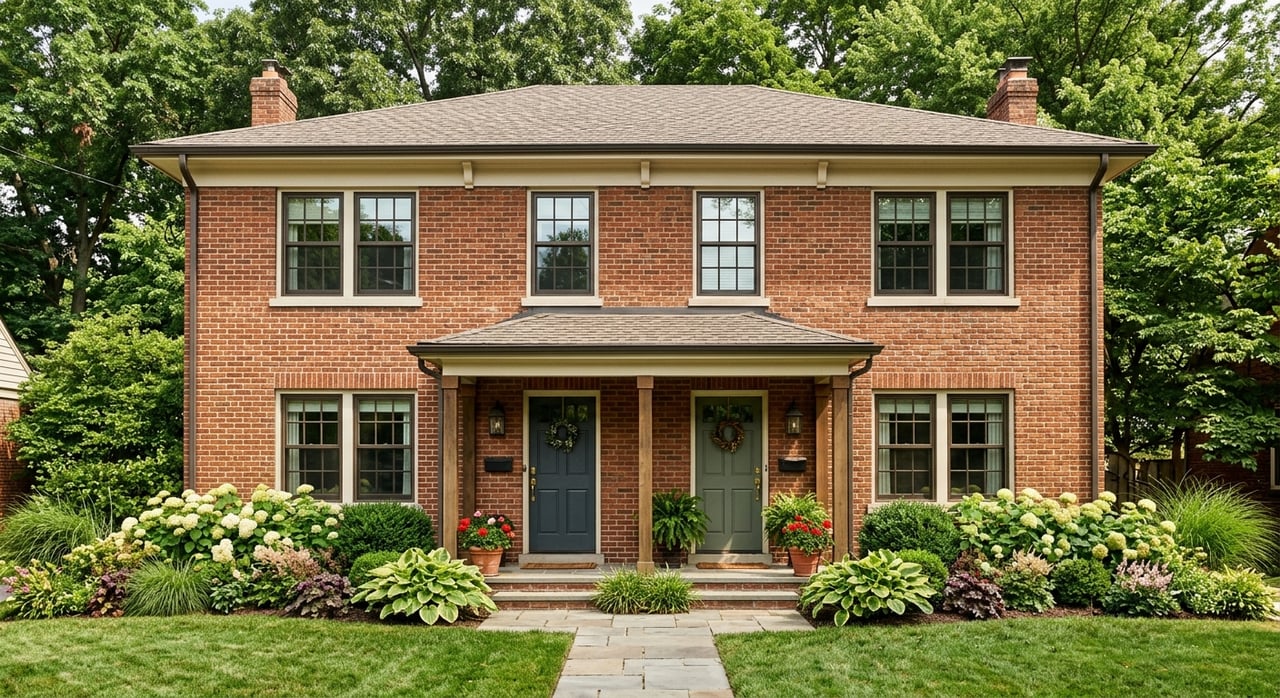
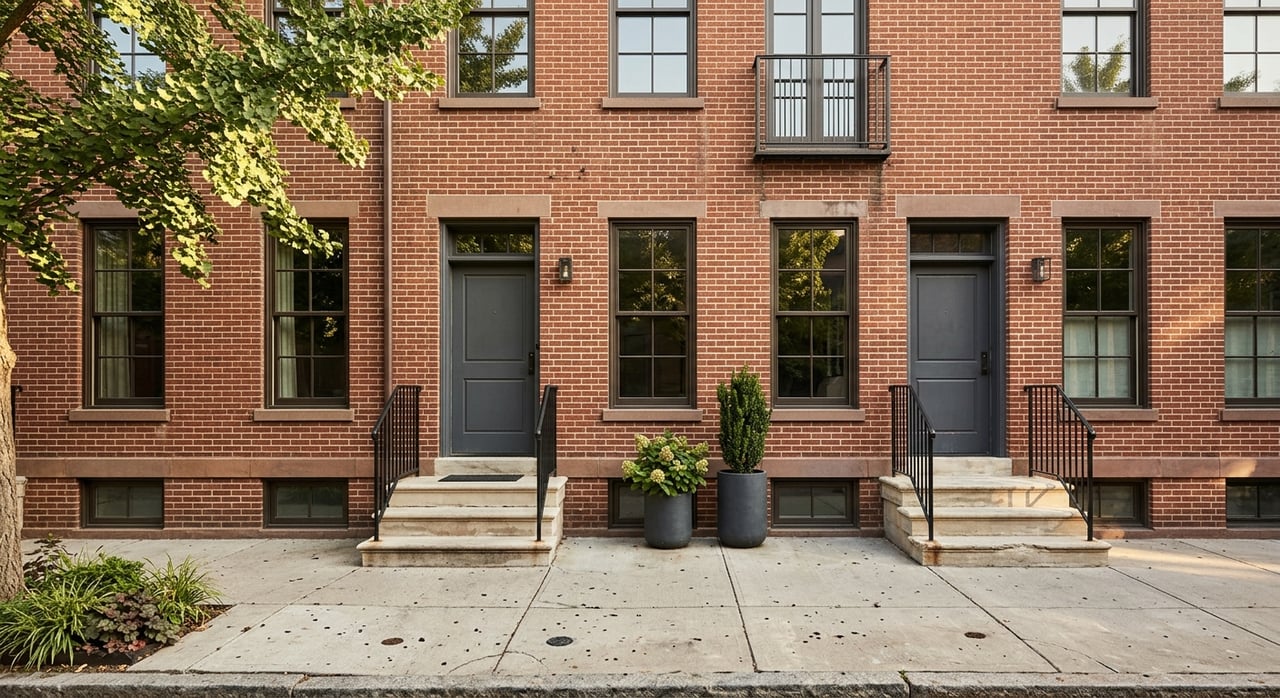
The housing stock also adds to that complexity. University City includes historic homes, modern high-rises, walk-up apartments, dormitories, and other housing types. Philadelphia is also known for attached homes, so many buyers here focus on rowhouses, townhomes, or units in multifamily buildings rather than detached homes.
Mobility matters here more than in many other Philadelphia neighborhoods. University City District highlights strong transit access, walkability, bike-friendly streets, and access to 30th Street Station. It also reports that 84% of residents work in University City, which helps explain why some people want flexibility while others want to put down roots close to work.
Renting in University City
For many people, renting is the easier entry point into University City. Realtor.com reported 672 rentals in the neighborhood in its December 2025 snapshot, compared with 125 homes for sale. That gap reflects how heavily the market leans toward rental inventory.
Rent prices can vary a lot depending on the building, unit size, and data source. Recent trackers placed neighborhood rent figures across a broad range, from $1,616 on active listings to $2,277 for median rent, while one apartment-focused source reported a much higher average. The safest takeaway is that a typical median-style apartment in University City often falls in the high-$1,000s to low-$2,000s, while newer or larger buildings can run much higher.
That flexibility can be valuable if you are still figuring out your next move. If your work, program, or life plans may change in a year or two, renting can help you stay nimble. It also usually means fewer upfront costs and less responsibility for repairs compared with ownership.
When Renting Makes More Sense
Renting may be the better fit if you:
- Expect to move within a few years
- Want lower upfront cash needs
- Prefer flexibility for job or school changes
- Do not want to budget for repairs and maintenance
- Are still learning which part of University City fits your routine best
This is one reason renting remains common among graduate students, medical professionals, and others with shorter planning horizons. In a neighborhood built around major institutions and strong transit connections, flexibility often has real value.
Buying in University City
Buying can be appealing if you want more long-term stability and the chance to build equity over time. Home price data varies here too. Realtor.com reported a median sale price of $424,000 in December 2025, while Redfin reported $360,000 in March 2026.
Using Freddie Mac’s average 30-year fixed rate of 6.30% as of April 30, 2026, principal and interest would be about $1,783 per month on a $360,000 purchase with 20% down. On a $424,000 purchase, principal and interest would be about $2,100 per month with the same down payment assumption. That gives you a useful starting point, but it is not the full monthly picture.
In Philadelphia, property taxes matter. The city’s combined real property tax rate is 1.3998% in fiscal year 2026, and the Homestead Exemption reduces assessed value by $100,000 for eligible homeowners. Using sale price as a rough stand-in for assessed value, that works out to about $303 per month in property taxes on a $360,000 home and about $378 per month on a $424,000 home after Homestead.
That means a rough base ownership cost in University City often lands around $2,100 to $2,500 per month before insurance, HOA dues, and maintenance. If you are buying a condo or townhome with association fees, those should be treated as part of your true monthly cost, not as an afterthought.
Upfront Costs Matter Too
The monthly payment is only part of the story. Philadelphia’s Realty Transfer Tax is 4.578% of the sale price or assessed value plus any assumed debt. If that cost is split evenly, the buyer’s share is about $8,240 on a $360,000 purchase and about $9,705 on a $424,000 purchase.
That is on top of your down payment and other closing costs. So even if the monthly numbers look manageable, the upfront cash needed to buy can still be significant. This is one of the biggest reasons a purchase that looks good on paper may not feel like the right move right now.
Rent vs. Buy: The Real Comparison
The rent-versus-buy decision in University City usually comes down to timeline and total carrying cost. On pure monthly cash flow, renting can still be less expensive than owning, especially once you add property taxes, insurance, HOA dues, and maintenance to a mortgage payment. That is true even when homeownership looks attractive at first glance.
Buying starts to look stronger when you plan to stay put for several years and want part of your housing payment to go toward ownership equity. But ownership also comes with more responsibility and more financial exposure. Repairs, taxes, insurance, and building fees can all change your monthly math.
Here is a simple way to frame it:
| Option | Often Best For | Key Cost Pattern |
|---|---|---|
| Renting | Shorter stays, flexibility, lower upfront cash needs | Monthly payment may be lower and more predictable |
| Buying | Longer stays, stable income, savings for upfront costs | Higher upfront costs and broader monthly expenses, but potential equity over time |
The key is to compare your real numbers, not just the listing price or advertised rent. In University City, that difference matters.
Questions to Ask Yourself First
Before you choose, it helps to step back and look at your own situation honestly. A few questions can make the answer much clearer.
Ask yourself:
- How long do you realistically expect to stay in University City?
- Do you have steady income and savings for upfront costs?
- Would a repair bill or higher monthly ownership costs feel manageable?
- Are you comparing rent to the full owner payment, including taxes and fees?
- Do you value flexibility more, or long-term stability more?
If your timeline is short, renting often wins. If your timeline is longer and your finances are stable, buying may become much more compelling.
University City Lifestyle Can Tip the Scale
This neighborhood’s character can influence your decision just as much as the numbers. University City has a strong mix of students, professionals, and institution-driven demand. It is also adding housing, with 929 multifamily units recently completed and another 4,200 in development, according to University City District.
That continued development can support a broad rental market and give renters more options. At the same time, buyers who want to stay close to work, transit, and neighborhood amenities may still see strong long-term appeal in owning here. Your day-to-day routine matters as much as your spreadsheet.
For example, if you want the freedom to relocate for a fellowship, residency, or job opportunity, renting may line up better with your plans. If you want a longer-term home base in West Philadelphia and feel ready for the responsibilities of ownership, buying may deserve a closer look.
A Smart Way to Decide
You do not need a perfect market to make a smart decision. You need a realistic one. In University City, renting usually makes more sense when flexibility, lower upfront cost, and simpler monthly budgeting are your top priorities.
Buying tends to make more sense when you have a longer time horizon, stable income, and enough savings to handle both closing costs and the full monthly cost of ownership. It can also be the right move if you want to build equity and feel confident staying in place for several years.
The best next step is to run a side-by-side comparison based on the actual homes or rentals you are considering. A lender can help you estimate financing, a tax advisor can help you understand tax impact, and a real estate professional can help you compare local options clearly. If you want a thoughtful, pressure-free conversation about what makes sense for your goals in University City, connect with Tyé Grays.
FAQs
Should you rent or buy in University City if you may move soon?
- If you expect to move within a few years, renting is often the more practical choice because buying comes with higher upfront costs and selling costs that can be harder to recover on a short timeline.
What does renting typically cost in University City?
- Current rent data varies by source, but a typical median-style apartment in University City often falls in the high-$1,000s to low-$2,000s per month, while newer or larger buildings can cost more.
What does buying a home in University City typically cost per month?
- Based on recent local price points and a 20% down payment assumption, rough base ownership costs often land around $2,100 to $2,500 per month before insurance, HOA dues, and maintenance.
How much are Philadelphia property taxes for University City homeowners?
- Philadelphia’s combined real property tax rate is 1.3998% in fiscal year 2026, and eligible homeowners may reduce taxable value through the Homestead Exemption, which can save up to about $1,399 per year.
Why is the rent-versus-buy decision different in University City?
- University City has a large student and professional population, strong transit access, and a housing mix that leans heavily toward rentals, so the right choice often depends more on your timeline and total cost than on one average price point.
Should condo or HOA fees be included when comparing renting versus buying in University City?
- Yes. If you are considering a condo or townhome with HOA dues, those fees should be counted as part of your monthly ownership cost when comparing renting and buying.