Wondering if a small investment property in Delaware County is still worth pursuing? You are not alone. Many buyers look at places like Upper Darby and nearby parts of Delaware County because the entry price can feel more approachable than other parts of the Philadelphia area, but the numbers only work when you study them carefully. In this guide, you will learn what the local market looks like, which property types deserve a closer look, and what local rules can change your plan before you buy. Let’s dive in.
Delaware County investment basics
If you are shopping for a small investment property in Delaware County, it helps to start with a realistic snapshot of the market. Countywide, there are 230,160 housing units, the owner-occupied rate is 69.6%, the median owner-occupied home value is $332,200, and median gross rent is $1,372. Those numbers tell you Delaware County still has a strong owner-occupied base, but rental demand remains part of the housing picture.
Upper Darby Township, including ZIP code 19082, looks a bit different. It is more renter-oriented and lower-priced than the county overall, with a 57.5% owner-occupied rate, a median owner value of $219,100, and a median gross rent of $1,328. Current snapshots also put Upper Darby asking rents around $1,405 per month and the median sale price around $262,250, compared with $339,900 countywide.
That difference matters if you are trying to buy smaller properties at a more accessible price point. It may create more opportunities for first-time investors, owner-occupants, or buyers looking at duplexes, twins, and small multifamily properties. At the same time, you should remember that county averages do not replace property-specific analysis.
Why averages are only a starting point
Delaware County is not one uniform market. Local housing analysis shows that conditions can shift meaningfully from one submarket to another, and those differences do not always line up with municipal borders. In plain terms, one block can underwrite very differently from another, even within the same township.
That is especially important when you are comparing 19082, other parts of Upper Darby, and nearby sections of Delaware County. A property that looks attractive on a broad county chart may carry very different repair needs, rent potential, or compliance requirements once you dig into the specific address. That is why small investors need a block-by-block mindset.
What the numbers suggest for investors
One quick metric some buyers look at is the gross rent-to-price ratio. Using the latest asking-rent and sale-price snapshots, Upper Darby comes in around 6.4%, while countywide it is about 5.7%. That can make Upper Darby look more favorable on paper.
Still, this ratio is only directional. It compares asking rents with median sale prices, and it does not include taxes, insurance, vacancy, repairs, capital expenses, or financing. You should treat it as a conversation starter, not a final answer.
Another important reality is the gap between ownership costs and rent. At the median, owner costs with a mortgage exceed rent both countywide and in Upper Darby. Countywide, median owner costs with a mortgage are $2,222 versus $1,372 in rent, and in Upper Darby they are $1,846 versus $1,328.
That gap is a reminder to underwrite conservatively. If you are hoping a standard rental will fully cover your payment based on headline numbers alone, you may be disappointed. The deal needs to make sense after all the real operating costs are included.
Questions to ask before you make an offer
Before you move forward, make sure you can answer a few practical questions:
- Does the expected rent still work after taxes, insurance, vacancy, and repairs?
- Is the building layout actually useful for your intended strategy?
- Will the property need systems work, not just cosmetic updates?
- What local permits or licenses apply once the home becomes a rental?
- How will transfer taxes and closing costs affect your cash needed to close?
If you cannot answer those clearly, you probably need more due diligence before writing an offer.
Which small property types may fit best
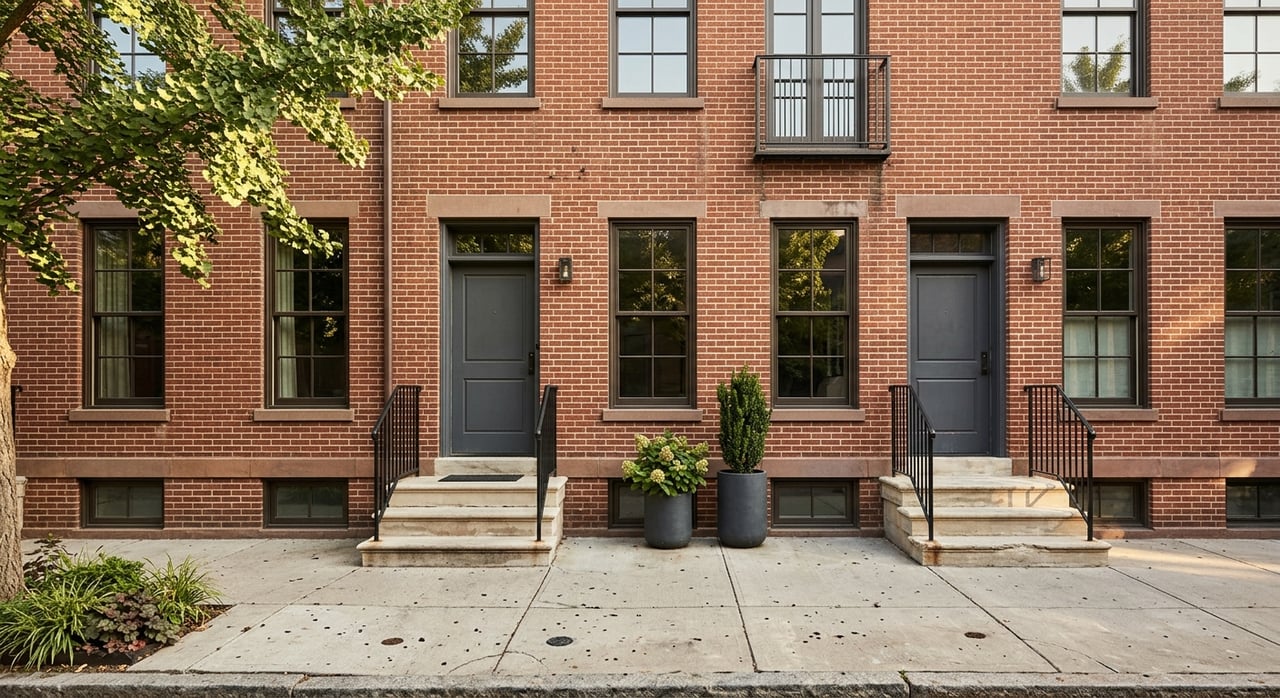
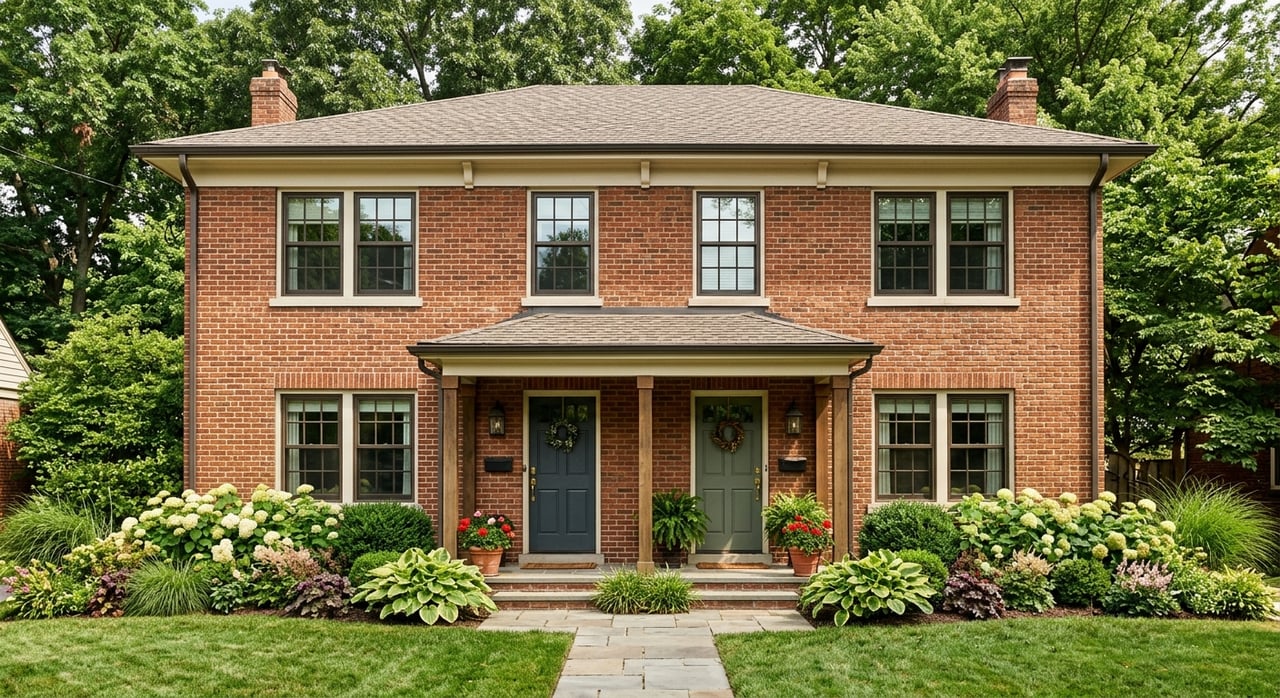
Delaware County housing stock leans heavily toward single-family homes. The county assessment shows 44.2% detached single-family and 31.5% attached single-family or duplex structures. Smaller multifamily exists, but it is a minority of the housing stock, with 5.0% two-unit buildings and 4.2% three- or four-unit buildings.
That matters because your options may be narrower than you expect if you are specifically hunting for a duplex or triplex. Good small multifamily opportunities can exist, but they are not the dominant property type. You may need to search patiently and evaluate each listing closely.
For many buyers, the most practical categories to compare are:
- Single-family homes for long-term rental or future resale
- Twins or attached homes where pricing may be more approachable
- Duplexes or two-unit properties for live-in or dual-income potential
- Three- or four-unit properties where local compliance and condition become even more important
A duplex or small multifamily may offer more income flexibility than a single-family home, especially if you plan to live in one unit. But the property still needs the right layout, condition, and legal use to support that plan.
Why older housing changes the conversation
A large share of Delaware County housing is older. County data shows 22.3% of homes were built before 1940 and 58.4% before 1960. That means older building systems are a normal part of the conversation, not an exception.
For you as a buyer, that can affect both upfront costs and long-term planning. Older homes may raise risks tied to lead paint exposure, mold, rodents, and fire concerns related to outdated electrical systems. Those are not automatic deal-breakers, but they should push you to inspect carefully and budget for real repairs.
Upper Darby code-enforcement materials also highlight common issues such as plumbing, electrical, sanitation, exterior and interior maintenance, pest infestation, and heating and ventilation. The township rental checklist pays close attention to smoke and carbon monoxide detectors, GFCI protection, railings, operable windows and screens, and peeling paint. If a property looks rough around the edges, the true scope of work may go well beyond paint and flooring.
A safer underwriting mindset
When you review an older property, it helps to think in layers:
- Livability today: What must be fixed now for safe occupancy?
- System reliability: How old are the roof, electrical, plumbing, and heating systems?
- Rental readiness: What would a township inspection or lender likely flag?
- Future capital needs: What larger expenses may show up in the next few years?
That approach can help you avoid a common mistake: buying based on purchase price while underestimating the real cost of getting the property stable and compliant.
Holding strategies that may work here
In this market, the most common strategies to evaluate are fairly straightforward. You might live in one unit and rent the others, hold the property as a long-term rental, or buy, improve, and then refinance or sell. The best fit depends on layout, condition, and compliance.
A live-in strategy can make particular sense when median ownership costs are above rent. If you occupy part of the property, the rental income from the other unit or units may help offset your housing costs while giving you time to improve the asset. For some buyers, that is more realistic than expecting a fully non-owner-occupied property to carry itself on day one.
A long-term rental strategy may work best when the numbers remain solid after conservative assumptions. A lighter renovation and hold plan can also be attractive if the property already has the right layout and fewer deferred maintenance issues. On the other hand, a buy-improve-refinance-or-sell plan may make more sense if the property is underperforming because of condition and you have the capital and tolerance for that work.
Upper Darby rules to know before buying
If you are buying in Upper Darby, local rules should be part of your investment analysis from the start. The township requires a rental property license for any dwelling occupied by someone other than the owner for one month or more in any year, and that license must be renewed annually. Landlords also need a Business Privilege License.
Upper Darby also requires a Use & Occupancy permit for all property transfers and occupancy changes. For non-single-family properties, a zoning compliance permit is required with the application, and supporting documents can include a sewer lateral certification and a rental license application. The township recommends filing Use & Occupancy paperwork at least 14 business days before settlement, with four weeks preferred.
That timing matters. If you wait too long, you can create unnecessary stress before closing or delay your ability to use the property as planned. For small investors, compliance is not something to figure out after settlement. It belongs in the pre-offer checklist.
Taxes, transfer tax, and closing costs
Property taxes in Delaware County should be checked parcel by parcel. The county has 49 municipalities, so relying on a broad average can lead you in the wrong direction. The county Treasurer provides current-year and back-year taxes, parcel records, tax certifications, and tax-rate information by municipality and school district.
Transfer tax is another cost you need to underwrite early. In Upper Darby Township, the local realty transfer tax is 1.5%, which brings the combined state and local transfer tax to 2.5% before any exemptions. That can make a meaningful difference in your cash to close, especially if your renovation budget is already tight.
This is one of the simplest ways investors get surprised. The purchase price is only part of the story. Closing costs, transfer tax, repairs, and compliance-related expenses can all change whether the deal still feels comfortable.
Lease rules that shape your plan
If your property will be used as a rental in Pennsylvania, basic landlord-tenant rules also affect how you operate. The state's Landlord and Tenant Act caps residential security deposits at two months' rent in the first year and one month's rent thereafter. It also requires a written itemized damage list and return of the balance within 30 days after termination or surrender.
The same law sets notice-to-quit periods at 15 days for leases of one year or less or indeterminate terms, 30 days for leases longer than one year, and 10 days for nonpayment of rent. These rules matter because they shape lease drafting, cash flow planning, and the timeline of any future dispute. Even if you are buying a very small property, the operating side still deserves structure and attention.
How to evaluate a small Delaware County deal
If you are considering a property in 19082 or elsewhere in Delaware County, a simple framework can help you stay grounded.
Start with the real acquisition cost
Do not stop at the list price. Add transfer tax, closing costs, inspection costs, and a realistic repair budget. If the property is older, leave room for issues that may not be obvious during your first showing.
Review taxes at the parcel level
Countywide data is useful for market context, but taxes should be verified for the exact property. In a county with many municipalities, one property can carry a noticeably different tax burden than another nearby.
Match the property to the strategy
A live-in duplex, a single-family rental, and a three-unit building are not the same investment just because they sit in the same ZIP code. The layout, local compliance burden, and repair profile can all shift the outcome.
Underwrite for the older housing stock
In Delaware County, older homes are normal. Budget for systems review, habitability items, and compliance-related fixes, not just visual improvements. That can save you from overestimating your returns.
Confirm township requirements early
In Upper Darby especially, rental licensing, Use & Occupancy permits, and zoning-related requirements should be reviewed before you get too far down the road. A property is only as useful as your ability to operate it the way you intend.
Final thoughts on buying small investment properties
Buying a small investment property in Delaware County can make sense, especially if you focus on realistic numbers, local rules, and the actual condition of the home. Areas like Upper Darby may offer a lower price point and a more renter-oriented environment than the county overall, but that does not mean every property is a deal. The strongest opportunities usually come from patient underwriting, clear expectations, and a strategy that fits the building.
If you want a thoughtful second opinion on a Delaware County opportunity, or you are trying to compare live-in, rental, and resale scenarios, working with someone who understands both the local market and the details that affect a small property can save you time and money. When you are ready to talk through your options, connect with Tyé Grays.
FAQs
What should you know before buying an investment property in Upper Darby?
- You should review the property's taxes, condition, transfer tax, and intended use early, and confirm local requirements like the rental property license, Business Privilege License, and Use & Occupancy process before closing.
Is Upper Darby a lower-cost option for small investors in Delaware County?
- Upper Darby generally shows a lower median home value and sale price than Delaware County overall, along with a more renter-oriented housing profile, which may create more approachable entry points for some buyers.
Do Delaware County rents usually cover mortgage costs on small properties?
- Median data suggests owner costs with a mortgage are higher than median rent both countywide and in Upper Darby, so you should underwrite conservatively and include expenses beyond the loan payment.
Are duplexes and small multifamily properties common in Delaware County?
- They exist, but they are a smaller share of the housing stock than single-family homes, so you may need to search carefully and compare each property's layout, condition, and legal use.
Why do older Delaware County homes need closer review for investors?
- Much of the county's housing was built before 1960, which can mean more risk around older electrical, plumbing, heating, paint, and general maintenance items that affect both budget and compliance.
What lease rules matter for Pennsylvania small landlords?
- Pennsylvania limits residential security deposits to two months' rent in the first year and one month's rent after that, and it sets notice-to-quit timelines that can affect lease planning and dispute timing.