Can you live well in University City without depending on a car? If you work at a hospital, lab, or campus, your commute and daily errands can shape where you choose to live. This guide shows you how University City’s transit, walkability, biking, and parking really work so you can plan a routine that saves time and lowers stress. You will also find practical tips for late shifts and car-light living. Let’s dive in.
How transit connects University City
University City sits beside one of the region’s biggest transportation gateways and is threaded with fast local service. If you want quick trips to Center City, easy connections to the suburbs, or reliable options for visiting family and colleagues, you will find several ways to get there without driving.
30th Street Station at your doorstep
Philadelphia’s 30th Street Station is the major regional hub adjacent to University City. It serves intercity rail and multiple SEPTA Regional Rail lines, making it a key arrival point for visiting academics, patients, and longer-distance commuters. If you travel often, the convenience of 30th Street Station on Amtrak can be a deciding factor when choosing a home.
SEPTA trolleys, rapid transit, and buses
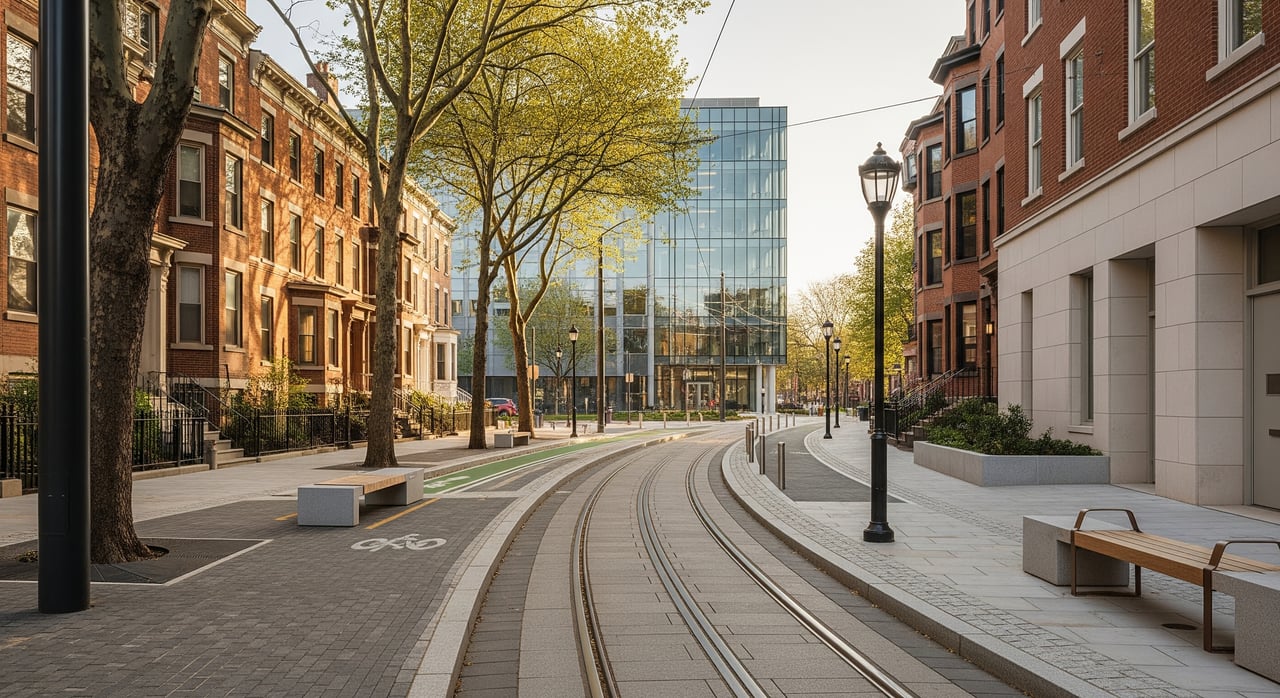
SEPTA’s rapid and surface systems provide frequent links east and west, so you can reach Center City, West Philly neighborhoods, and connecting lines quickly. Many students and hospital staff rely on the subway-surface trolleys for direct cross-neighborhood trips without transfers. Several bus routes fill the gaps to hospital and lab campuses, with frequency that varies by route and time of day. For current routes and service alerts, check SEPTA’s schedules and updates.
Off-peak and overnight service
Service levels drop late at night and in the early morning. If you work nights or start before dawn, confirm schedules and build a backup plan such as employer shuttles, bike-share, or ride-hail. Many hospitals and universities offer shuttles or parking accommodations for off-peak shifts, so it helps to verify options with your HR or transportation office.
Walkability and daily convenience
University City is one of Philadelphia’s most walkable areas thanks to mixed uses and clustered destinations. Many professionals live within a 10 to 20 minute walk of their lab, clinic, or classroom. Crosswalks and signals are frequent on primary corridors, though intersections near shift changes can be crowded. When you tour homes, walk your likely route at your typical commute hour to check real-world timing and comfort.
Biking and bike-share options
Biking is a popular commute option for short and moderate distances. You will find protected or marked lanes on several nearby corridors and access to the Schuylkill River Trail for a smooth, scenic ride. If you do not own a bike, you can use Indego’s bike-share system for last-mile connections or quick errands. Explore stations and price options on the Indego station map and check trail conditions with the Schuylkill Banks trail updates.
Parking and car ownership
Parking in University City is a mix of metered curb spaces, surface lots, and multi-level garages, many of which are operated by universities and hospitals. Long-term visitor parking tends to cluster around 30th Street Station and near hospital entrances. Residential blocks near campus often have permit rules with specific enforcement hours. Before you buy or lease, review local regulations and permits with the Philadelphia Parking Authority, and ask your employer about on-site or subsidized parking.
Owning a car here can be costly once you add permits, garage fees, and insurance. Many residents choose a car-light routine, pairing transit and bike-share with occasional car rental or ride-hailing. If you expect frequent suburban trips or have complex family logistics, weigh the trade-offs of a one-car household against time and cost savings.
Commutes for medical and academic schedules
Faculty, clinicians, and staff often combine walking, trolleys, Regional Rail, buses, and biking with short walks to buildings and clinics. Suburban commuters may use Regional Rail into 30th Street, then walk or transfer to a trolley or bus. For night shifts, expect reduced frequency and consider employer shuttles, on-call parking permits, or ride-hail subsidies if offered. In critical roles, it also helps to know if your employer has call rooms or on-site accommodations during weather events or emergencies.
Car-free and car-light playbook
- Choose housing within a 10 to 20 minute walk of your primary building or a key transit node.
- Mix modes to stay flexible: bike or Indego to a trolley stop, then finish on foot.
- For late shifts, confirm shuttle schedules, parking options, or ride-hail policies through your employer.
- Plan grocery and pharmacy access within a short walk, and confirm delivery policies in your building.
- Ask about secure bike storage, package rooms, and visitor parking before you sign.
How to choose your University City home
Start by mapping your routine. Identify your most frequent destinations, such as a hospital entrance, lab, lecture hall, or 30th Street Station. Time your door-to-desk trip using your actual transfer points and typical walking speed. Then, confirm building amenities that support daily life, including bike storage, delivery rooms, and guest parking options. For neighborhood maps, events, and transportation initiatives, explore the University City District.
Useful resources
- SEPTA schedules and alerts for route maps and real-time updates.
- 30th Street Station on Amtrak for intercity travel planning.
- Indego bike-share for station locations, membership, and pricing.
- Schuylkill Banks trail info for trail maps and maintenance updates.
- Philadelphia Parking Authority for permits, rules, and enforcement.
- University City District for neighborhood maps and programs.
- Employer transportation pages for shuttles, parking, and subsidies: University of Pennsylvania Transportation and Parking and Drexel Transportation Services.
Ready to align your next home with your commute and lifestyle in University City? Let’s talk through your routine, tour the right blocks at the right times, and build a plan that works for you. Reach out to Tyé Grays to get started.
FAQs
Can you live car-free in University City while working at a hospital or university?
- Yes, many people do so using frequent transit, walkability, bike-share, and employer shuttles; confirm late-night options if you work overnight.
How reliable is public transit for night-shift nurses and residents in University City?
- Service runs less frequently overnight, so check schedules and ask your employer about shuttles, parking accommodations, or ride-hail support.
Where can hospital visitors or relatives park near University City facilities?
- Short-term visitor parking is typically available in hospital garages and metered curb spaces, with additional options near 30th Street Station.
Are bike lanes and trails suitable for daily commuting in University City?
- Several protected or marked lanes and the nearby Schuylkill River Trail support daily biking, though protection and continuity vary by block.
What should homebuyers check to ensure an easy University City commute?
- Walk your route at your usual commute time, time the full trip door-to-desk, and confirm building policies for bike storage, deliveries, and visitor parking.