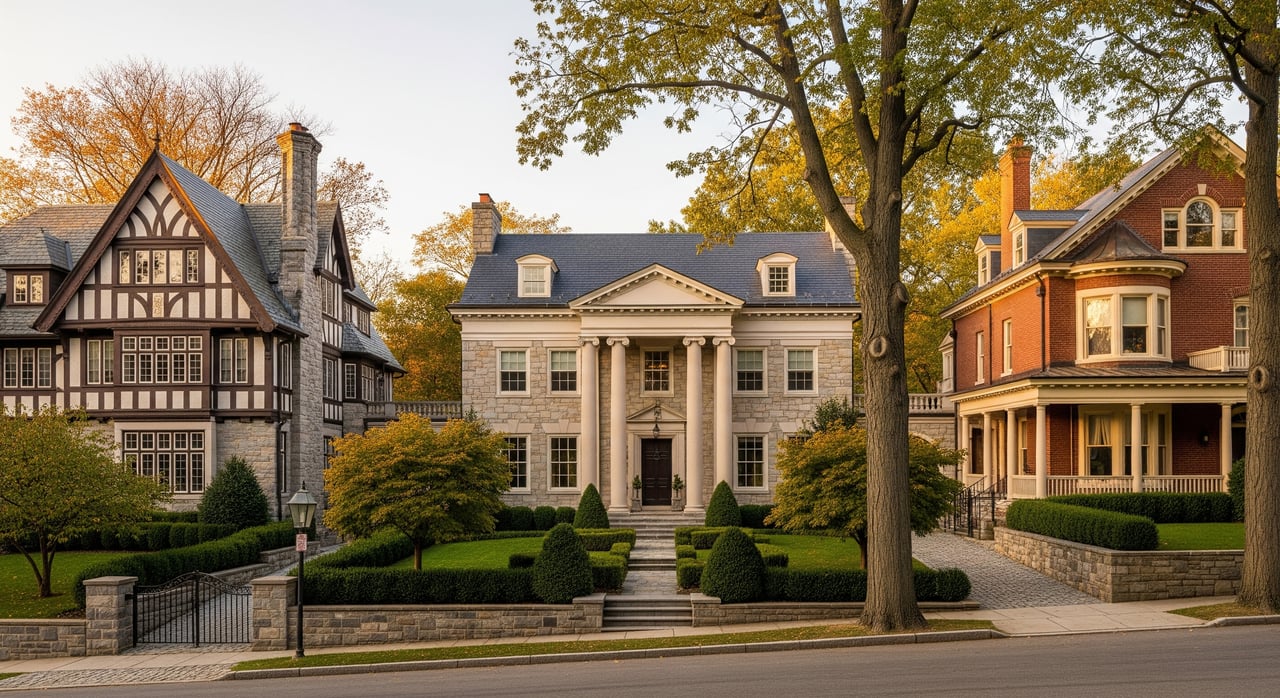
If you want tree-lined streets, solid pre-war construction, and an easy ride into Center City, Abington, Elkins Park, and Glenside deserve a close look. Choosing a home here often comes down to the style and how it fits your daily routine. Do you need a driveway for two cars, a porch for morning coffee, or a basement you can finish later? This guide shows you how common house types compare, what to expect with porches and parking, and what to watch for during tours. Let’s dive in.
Area snapshot and priorities
You are looking at a mature inner-ring suburb just north of Philadelphia, where Abington and Cheltenham townships meet Elkins Park and Glenside. The housing stock ranges from late 19th-century stone homes to post-war ranches. Township boundaries and school district lines can shift within a few blocks, so confirm the exact township and district for any address. That affects taxes, permitting, and school assignments.
Commuting is a major factor here. Regional Rail and bus service provide reliable access to Center City. Living near a station can make mornings easier and often helps resale appeal. If you split your commute between car and train, weigh walkability to a station against driveway and garage convenience.
Buyer priorities usually fall into two buckets:
- Commuting professionals: walkable access to Regional Rail, low-maintenance exteriors, dedicated parking, a workable entry or mudroom, and a room that functions as a home office.
- Growing households: bedroom count, yard and play space, proximity to parks and elementary schools, a basement or storage, and room to expand when needed.
Common home styles here
You will see a mix of classic styles. Below is what each one typically offers and what to plan for during ownership.
Stone Colonial: layout and tradeoffs
- Typical era: late 1800s through 1930s, with later revival versions.
- Exterior: stone or brick façades, symmetrical front, double-hung windows, gabled roof, and often a formal entry. Many include a covered or full-width front porch.
- Interior: two full stories with a central or side hall plan, formal living and dining rooms, and a separate kitchen that may have been expanded. Bedrooms sit upstairs, and a full basement is common.
- Lot and parking: moderate to generous yards. Detached or attached garages are common but not guaranteed. Many driveways run along the side to a rear garage.
- Pros: durable construction, familiar floor plan, strong resale appeal, and a full basement for storage or future finishing.
- Cons and maintenance: masonry repointing, older single-pane windows, slate or older roofs in some cases, and older mechanicals such as boilers or oil heat. Reconfiguring interior walls can cost more.
- Renovation notes: popular upgrades include kitchen expansions, adding a second bath, or finishing the basement. In pre-1978 homes, check for knob-and-tube wiring and lead paint.
Cape Cod: cozy and expandable
- Typical era: 1920s to 1950s.
- Exterior: compact 1.5-story with a steep roof, dormers, and a small entry porch. Wood siding is common, sometimes with stone or brick veneer.
- Interior: main-level living with one or two bedrooms upstairs under the eaves. Rooms are modest. Basements are often partial or full.
- Lot and parking: small to medium yards, single-car driveways, and occasional detached single-car garages.
- Pros: manageable scale, lower heating costs than larger two-story houses, and easier exterior upkeep.
- Cons and maintenance: limited headroom upstairs and smaller closets. Flexibility is limited without a dormer or rear addition.
- Renovation notes: adding dormers can unlock space for bedrooms and baths. Plan insulation and roof updates when opening the envelope.
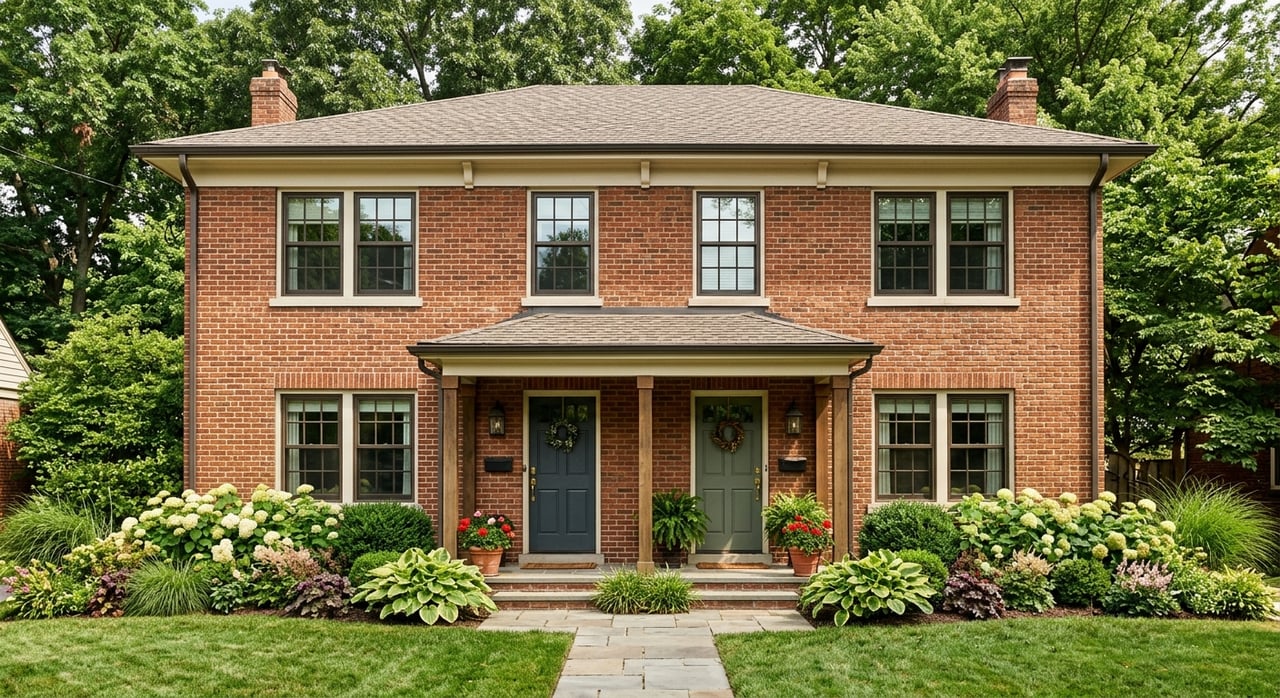
Twin homes: value and efficiency
- Typical era: late 1800s through mid-1900s.
- Exterior: two homes sharing a party wall with mirrored fronts. Materials vary from stone to brick or wood siding.
- Interior: similar to a narrow colonial with 2 to 3 bedrooms and a partial or full basement.
- Lot and parking: smaller lots. Many twins rely on street parking. Some have short driveways or a rear shed or garage.
- Pros: lower purchase price relative to detached homes and good use of space in a central location.
- Cons and maintenance: less private outdoor area and potential noise transfer through the shared wall. Parking can be tight.
- Renovation notes: kitchens and baths are common updates. Verify any shared roof or chimney responsibilities and ask about noise mitigation.
Post-war ranch: one-floor living
- Typical era: late 1940s to 1960s.
- Exterior: single-story layout with a long footprint, low-pitched roof, and larger picture windows. Siding can be brick or clapboard.
- Interior: living and dining on one level with 2 to 4 bedrooms. Many have full basements, which expand usable space for playrooms or offices.
- Lot and parking: moderate lots with a driveway and attached garage are common. Backyards can be larger than in earlier neighborhoods.
- Pros: accessible one-floor living, easy for strollers or avoiding stairs, and straightforward layouts for daily life.
- Cons and maintenance: some models have smaller bedrooms and dated kitchens or baths. Foundations vary between slab and full basement.
- Renovation notes: finishing the basement can add a large family area. Rooflines often allow practical rear additions. Energy updates are common.
Other home types to expect
- Larger early 20th-century stone estate homes exist in pockets, especially around Elkins Park.
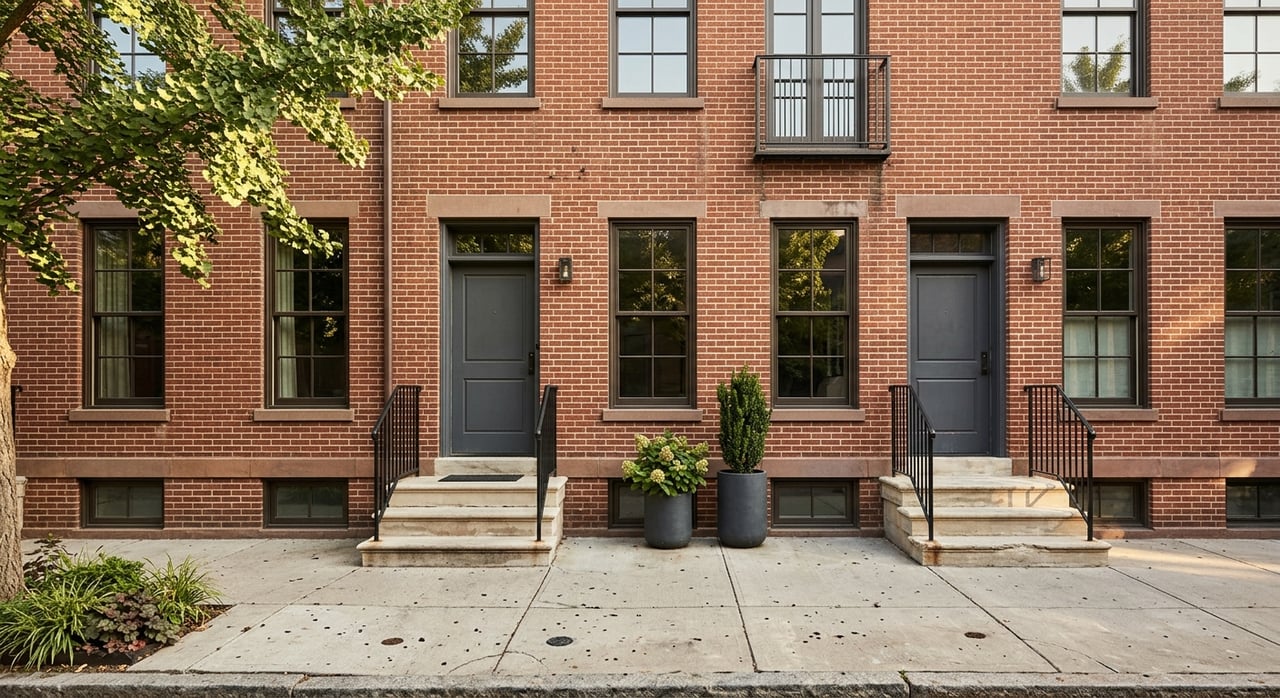
- Some corridors include rowhouses or small multi-unit properties.
- You will also see newer infill and historic shells that have been modernized.
Porches, entries, and daily life
Front porches do more than boost curb appeal. A covered, full-width porch gives you sheltered drop-off space in bad weather and usable seating in spring and fall. If you commute or have gear-heavy routines, an enclosed side or rear porch or a true mudroom can be a game changer for coats, shoes, and backpacks.
Plan for upkeep. Wood porches need periodic painting and checks for rot. Masonry porches require careful flashing and mortar maintenance to keep water out of the house.
Driveways, garages, and parking
Driveway length and width influence daily convenience. A narrow, single-car drive may force car shuffling, while a two-car driveway saves time. Attached garages make winter mornings easier. Detached garages work well but come with a short outdoor walk.
In many twin or older blocks, street parking is the norm. If you plan to park on the street, review local parking rules and any permit requirements near Regional Rail stations. If a property has a shared or narrow drive, verify easements and who is responsible for snow and repairs.
Lot size, yards, and zoning
Most lots in these neighborhoods are modest to medium. There are larger yards and estate lots in certain areas, but they are not the norm. Yard size shapes how you use the space for play, pets, gardens, or potential additions.
Before planning an addition, check township zoning for setbacks, lot coverage, and rules for accessory structures. Impervious surface limits can affect patios, driveways, and additions.
Basements, foundations, and storage
Full basements are common and provide storage, mechanical space, and the option to finish later. Only finish a basement after you confirm dry conditions and address any water intrusion. Look for sump pumps, downspout extensions, and grading that moves water away from the foundation.
Some post-war homes sit on slabs or have crawl spaces. That can change how you insulate and run ductwork or plumbing, so plan renovations accordingly.
Older systems and safety checks
Older homes can include original boilers, older electrical panels, knob-and-tube wiring, and ungrounded outlets. Pre-1978 homes may contain lead paint. Plumbing may be galvanized or cast iron in older properties.
Energy updates such as insulation, air sealing, and window improvements can improve comfort and costs. For safety, use licensed inspectors for electrical and plumbing and consider specialized checks for lead, asbestos, or mold if conditions suggest it.
Selection tips for commuters
- Aim for a 5 to 15 minute walk to a Regional Rail station if you ride frequently.
- If you rely on a car, prioritize off-street parking or an attached garage for easier mornings and winter weather.
- Look for a defined drop zone by the entry for work bags and shoes.
- Confirm a quiet, well-lit room for a home office and consider a wired internet connection for reliability during video calls.
Selection tips for growing households
- Match bedroom count and flexible spaces to your needs. A finished or finishable basement adds storage and play space.
- Check backyard size and layout. Fencing and sightlines matter for play and pets.
- Verify school assignment through district resources, since boundaries can change within short distances.
- If you may add space later, review lot coverage and setbacks to gauge feasibility and cost.
Red flags during showings
- Persistent musty odors or visible damp spots in the basement.
- Uneven floors, deteriorated chimney or roof flashing, or overgrown trees close to the house.
- Rust on boilers, outdated electrical panels, knob-and-tube wiring, or ungrounded outlets.
- Poor grading toward the foundation or cracked driveways that funnel water toward the home.
- No documentation for roof, HVAC, window replacements, or past permitted work.
Local resources and next steps
As you narrow options, verify details with local and county sources:
- Township building and zoning departments for permits, setbacks, and any historic commission rules.
- School district websites and boundary maps for current assignments.
- SEPTA schedules and station maps for service frequency and commute planning.
- Montgomery County property records for taxes, lot dimensions, and recorded easements.
- FEMA Flood Map Service Center and any local floodplain maps for address-specific risk.
- Local historical societies or preservation commissions if a home may sit in a historic district.
Before you submit an offer, ask sellers for recent utility and maintenance records and a list of major upgrades. When under contract, order a thorough home inspection and add targeted professionals as needed, such as electrical, foundation, or environmental specialists.
When you want a neighborhood-savvy advisor to help compare tradeoffs, preview options, and negotiate the right fit, connect with Tyé Grays for patient, high-touch guidance.
FAQs
What home styles are most common near Elkins Park stations?
- You will see a mix of stone colonials, capes, twins, and post-war ranches, with stone colonials and twins especially common on older blocks close to transit corridors.
How much yard do homes in Abington and Glenside usually have?
- Most properties offer modest to medium-sized yards, with larger lots in select pockets; confirm lot dimensions through county records before planning additions.
Are basements here good candidates for finishing?
- Many are, but only after addressing water management; look for sump pumps, proper grading, and dry conditions before investing in finishes.
What should commuters prioritize when choosing a house style?
- Focus on walkability to Regional Rail, driveway length for off-street parking, and an entry or mudroom that supports daily routines with bags, shoes, and coats.
Which home types are easiest to expand in this area?
- Ranches and capes often allow straightforward single-story or dormer additions, while colonials are expandable but can be costlier due to structure and scale.