If you are serious about buying a condo in Center City, Blair County, you cannot rely on broad market headlines alone. This is a small, thinly traded market where a handful of listings can shape your options, your timing, and even your negotiating strategy. The good news is that if you understand how inventory, building type, HOA costs, and micro-location work here, you can make a smarter move with less guesswork. Let’s dive in.
Center City Market Snapshot
Center City is a small-inventory condo market, and that matters more than almost anything else. According to Realtor.com’s Center City market data, the neighborhood had 7 active listings in March 2026, a median listing price of $65,000, and a median of 129 days on market. The same source classifies the neighborhood as balanced.
That balance is important for buyers. You are not looking at a fast-moving, overheated market, but you also are not shopping in a place with endless backup options. In a market this tight, the right unit may take time to find, but a longer selling timeline can also create room for negotiation.
A second source points in the same direction. Homes.com’s local snapshot reported 6 homes for sale, 6.0 months of supply, and a $94,800 median sale price over a 12-month view. The exact counts differ by source, but the takeaway is the same: inventory is limited, and buyers should stay patient and prepared.
Blair County Trends Still Matter
Even if you are focused on one condo building or one part of downtown Altoona, county-level conditions still shape the market around you. Realtor.com’s Blair County market report also describes the county as balanced and reported that homes sold 4.32% below asking on average in February 2026.
That does not mean every condo will sell below list price. It does mean well-prepared buyers may still have negotiating room, especially when a listing has been sitting for a while or needs updates. In a small market like Center City, negotiating leverage often comes from preparation, not speed alone.
Older Buildings Shape Your Search
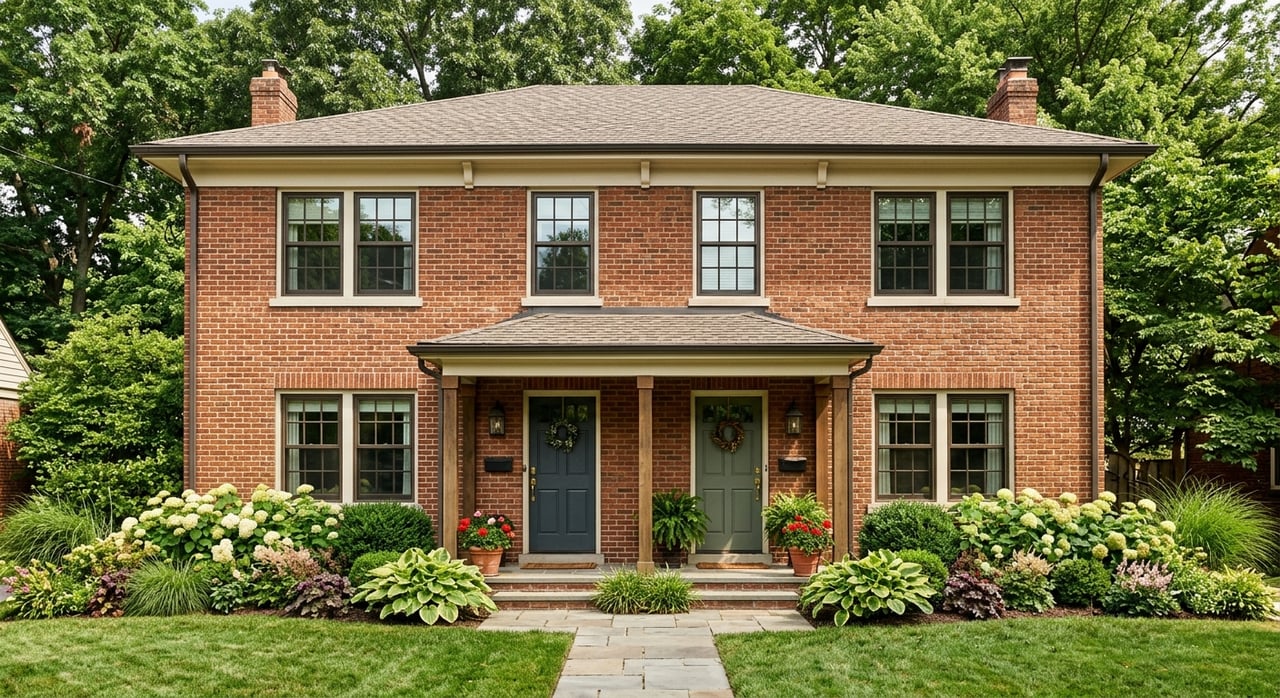
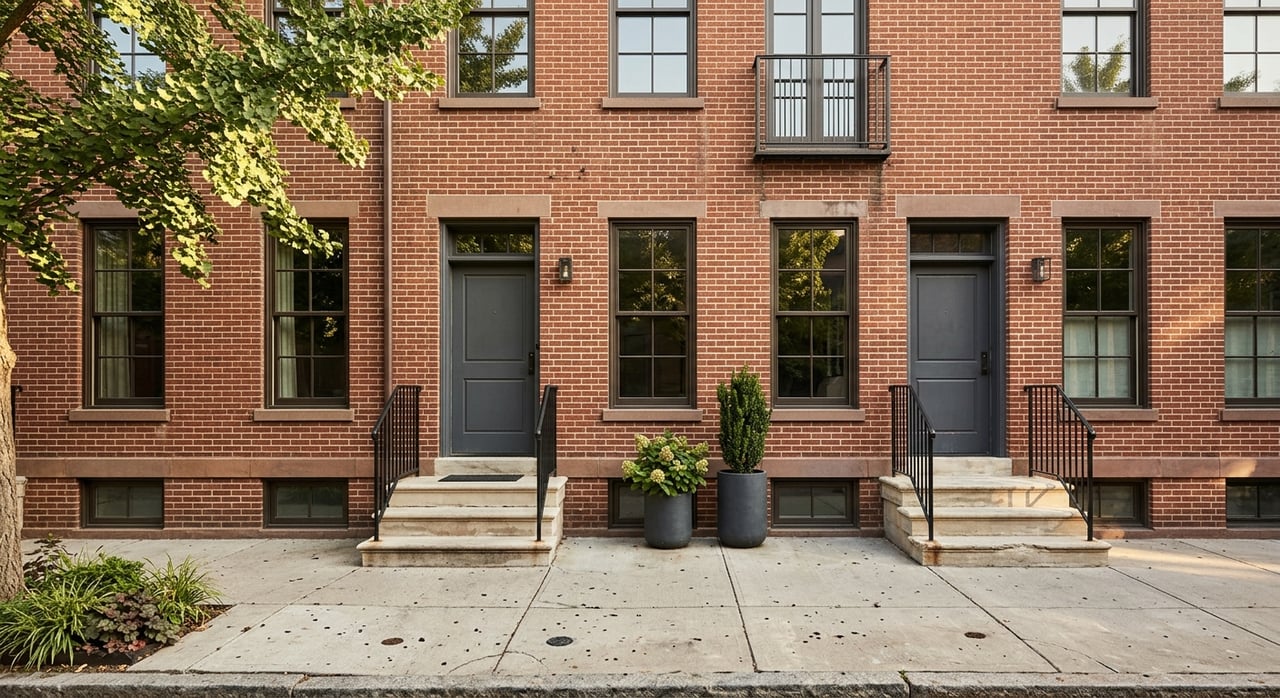
Center City’s housing stock reflects Altoona’s railroad-era history. The City of Altoona history page explains how Altoona grew around the Pennsylvania Railroad, while Homes.com notes that Center City developed with many railroad workers and has a median year built of 1910.
For you as a buyer, that age profile has real implications. In Center City, condos are more likely to be part of older buildings, conversions, or adapted structures than brand-new purpose-built towers. That means each property deserves a closer look at condition, layout, maintenance, and building systems.
One recent sold example helps show what that older stock can look like. Homes.com’s sold data for Center City includes a unit at 610 12th St that sold in September 2025 for $94,800. It was built in 1920, measured 817 square feet, and took 61 days to sell.
That kind of example shows why buyers should avoid comparing condos by price alone. In older buildings, value can shift quickly based on renovation quality, floor plan efficiency, and how much maintenance a future owner may need to plan for.
Adaptive Reuse Is Part of the Story
Downtown Altoona is also seeing reinvestment through adaptive reuse. WPSU reported that the former McCrory’s building reopened in 2025 as Center City Market with vendors and luxury apartments, while Discover Blair County reported that the Kress Building reopened as Lofts on 11th with commercial and residential space.
These projects do not define the entire condo market, but they do show that downtown living has active interest and ongoing investment. As a buyer, you may find yourself comparing older walk-up style properties with loft-style conversions that offer more modern finishes and a different ownership experience.
Amenities Can Change the Value Equation
Not all Center City-area condo options offer the same ownership setup. A more traditional condo example in the local market is Parkview, where a Zillow listing described a 1989-built 2-bedroom, 2-bath unit with elevator access, a one-car garage, an exercise room, covered outdoor space, and shared amenities.
Another Parkview listing highlighted features like indoor parking, storage, a social room, a library, exterior maintenance, and elevator service. In a small market, those details can influence buyer demand just as much as square footage.
If you are comparing condos in Center City, pay close attention to features like:
- Elevator access
- Assigned or indoor parking
- Storage space
- Shared amenity rooms
- Building accessibility features
- Outdoor space or view lines
These details can affect both your day-to-day use and resale appeal later.
HOA Fees Are Part of the Real Budget
One of the biggest mistakes condo buyers make is focusing on the mortgage and overlooking the full monthly cost of ownership. The Consumer Financial Protection Bureau explains that condo or HOA dues are usually paid separately from your mortgage, and those dues can range from a few hundred dollars per month to more than $1,000.
That is why HOA review should start early, not after you fall in love with a unit. In the local examples, one Parkview condo showed a $350 monthly HOA fee, while another showed a $450 monthly fee that included water, sewer, trash, security, and exterior and common-area maintenance.
A higher HOA fee is not automatically a bad sign. If it covers meaningful expenses and the building is financially healthy, it may support a more predictable ownership experience. The key is understanding exactly what you are paying for.
What to Review in Condo Documents
According to Fannie Mae’s condo buying guidance, buyers should review the reserve fund, financial statements, master insurance coverage, and any pending special assessments. This is especially important in older buildings, where major components may need more frequent attention.
Pennsylvania law also makes document review a central part of the process. Under the Pennsylvania Condominium Act, sellers must provide buyers with key association documents, including the declaration, bylaws, rules or regulations, and a certificate with association information.
For a serious buyer, that means the resale packet is not just paperwork. It is part of your due diligence. You want to know how the building is run, whether reserves are healthy, and whether any major costs may be heading your way after closing.
Questions to Ask Before You Offer
In a market with limited inventory, it can be tempting to move quickly and figure out the details later. That is risky with condos. Before you write an offer, make sure you have clear answers to the basics.
Here are some of the most important questions to ask:
- What does the HOA fee include?
- Are there pending special assessments?
- How strong is the reserve fund?
- Is parking included, assigned, or separate?
- What does the master insurance policy cover?
- Are major repairs or capital projects planned?
- Are there building rules that affect ownership or occupancy?
- What major systems have been updated, and when?
These questions come straight from the realities of condo ownership. In Center City, where building types vary and inventory is thin, the building itself can matter more than the unit finishes.
Micro-Location Matters in Center City
Center City is compact, but that does not mean every block feels the same in terms of convenience or value. Realtor.com’s local area page and Homes.com describe the neighborhood as being on the east side of downtown Altoona, connected by the 7th Street Bridge and close to destinations like the Railroaders Memorial Museum, the Altoona Area Public Library, the Jaffa, Prospect Park, and Valley View County Park.
For buyers, this means location should be evaluated at a very specific level. Proximity to downtown destinations, parking access, building entrance design, views, and even how easy it is to get in and out of the property can all shape value.
In a larger city, buyers often have more comps and more direct alternatives. In Center City, you may need to weigh tradeoffs more carefully because similar replacement options may not appear right away.
A Smart Buying Framework
If you want a practical way to evaluate Center City condos, use this order:
- Start with the building. Review age, upkeep, reserves, rules, and shared amenities.
- Then assess the unit. Look at layout, condition, natural light, storage, and updates.
- Finally, study the micro-location. Consider parking, views, nearby destinations, and access.
This framework fits the local market well. In a thinly traded area, the best choice is not always the cheapest listing or the most updated kitchen. Often, the smarter buy is the property where the building fundamentals, monthly costs, and location all line up.
If you are weighing a condo purchase and want a steady, informed second opinion, Tyé Grays offers the kind of patient, relationship-first guidance that helps you ask better questions and negotiate with confidence.
FAQs
What is the current condo market like in Center City, Altoona?
- Center City is a small, balanced market with limited inventory, long average days on market, and some room for negotiation based on current neighborhood and county-level data.
Why do older buildings matter when buying a Center City condo?
- Many properties in Center City are tied to older housing stock, so condition, layout, maintenance history, and building systems can have a major impact on value and ownership costs.
Are HOA fees included in a condo mortgage payment?
- No. The CFPB says condo and HOA dues are usually paid separately from your mortgage, so you should budget for them as part of your total monthly housing cost.
What condo documents should buyers review in Pennsylvania?
- Buyers should review the declaration, bylaws, rules and regulations, association information, financials, reserve details, insurance coverage, and any notice of special assessments or planned major projects.
What should serious buyers compare between condo buildings in Center City?
- You should compare HOA inclusions, reserve health, parking, elevator access, storage, accessibility features, shared amenities, and the building’s overall upkeep before focusing only on unit finishes.